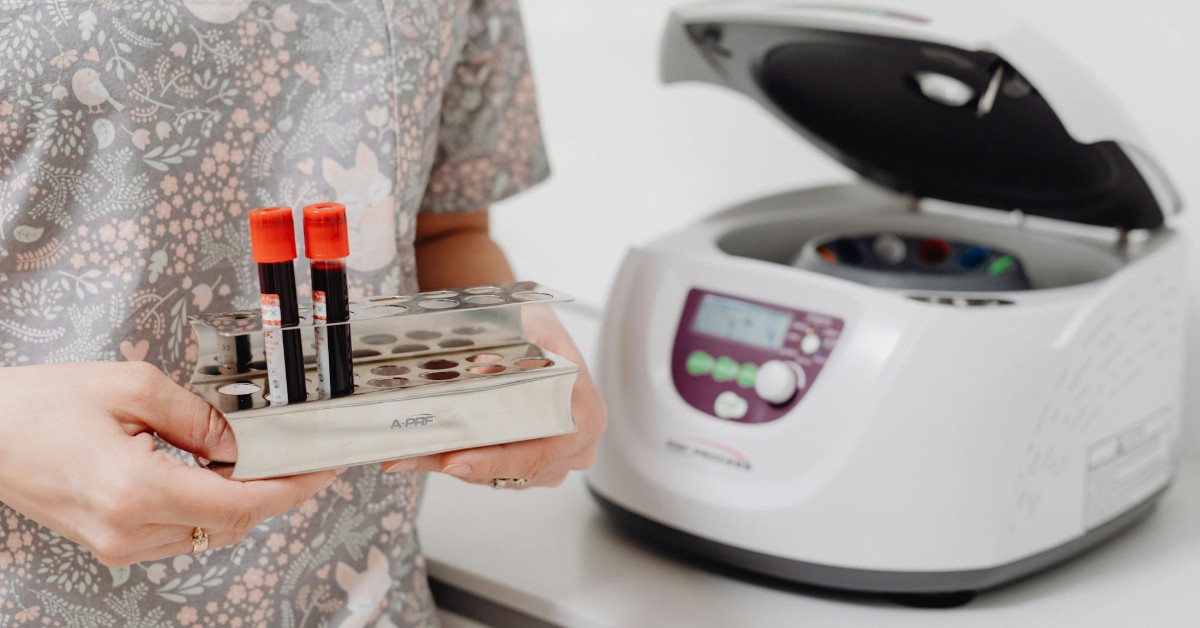
Phlebotomy: Types of Tests and Procedures in Healthcare
Phlebotomy is often the very first chance we have to catch an illness. Blood offers a map of a person’s health, carrying signals that show everything from poor nutrition to serious, long-term conditions. Phlebotomists perform specialized blood draws that help physicians identify problems like diabetes, anemia, kidney issues, and even certain types of cancer.
Labs analyze the cells and chemical markers in a blood sample to find harmful germs or hormone imbalances that might otherwise go unnoticed. Finding a problem early through a simple blood test often leads to immediate treatment, significantly boosting the patient’s odds of a full recovery. When you sign up for a phlebotomy course in New York, you are not just learning to collect a sample; you are learning to gather life-saving data.
Common Blood Tests Performed by Phlebotomists
A successful phlebotomist must be familiar with numerous tests. Every test requires a specific collection tube and exact rules for handling the sample. Here are several of the most common tests you will encounter in a clinic or hospital:
- Complete Blood Count (CBC): One of the most frequently ordered tests. It measures the blood’s components, including red and white cells, hemoglobin, and platelets. It is critical for identifying infections and anemia.
- Basic Metabolic Panel (BMP): It checks the levels of glucose, calcium, and electrolytes. It gives a quick look at how well the kidneys are working and how the body is managing blood sugar.
- Lipid Panel: Used to check the health of the heart and blood vessels by measuring cholesterol and triglycerides.
- Blood Glucose Tests: Essential for diagnosing, managing, and monitoring diabetes.
- Coagulation Tests: These tests show how fast a patient’s blood clots, a necessary step for individuals taking blood thinners or those preparing for surgery.
Knowing why doctors order these tests helps phlebotomists work better with the medical team and deliver excellent patient care.
Diagnostic vs. Therapeutic Procedures: Understanding the Difference
Most people connect phlebotomy with getting a diagnosis, but we need to understand the difference between diagnostic and therapeutic methods.
- Diagnostic Phlebotomy is a common procedure. Its main goal is to collect a small, precise blood sample for the lab to analyze. The sole purpose is to gather information to confirm or rule out a health issue.
- Therapeutic Phlebotomy, in contrast, is a form of treatment. With this procedure, a larger volume of blood is taken from the patient to treat certain medical issues, such as polycythemia vera (having too many red blood cells) or hemochromatosis (excessive iron in the blood). Because therapeutic phlebotomy involves removing a large amount of blood, it requires specialized knowledge of the patient’s condition and fluid balance. Mastering these skills is a major focus in comprehensive phlebotomy training in NY.
The Importance of Accuracy in Sample Collection
In medical practice, the results from a lab depend completely on the quality of the sample collected. Being accurate in phlebotomy involves much more than just finding the vein on the first try. It means strictly following the “Order of Draw,” a required sequence for filling blood collection tubes to prevent contamination from tube additives.
If a sample gets contaminated or is handled incorrectly (maybe a tube is not mixed properly or is exposed to too much heat), it can result in hemolysis or inaccurate results. Poor lab work can cause a wrong diagnosis, force patients to repeat the procedure, or even lead to wrong medication doses. For this reason, a high-quality phlebotomy course in New York spends significant time on the technical details of sample quality and integrity.
Patient Preparation and Safety Considerations
Phlebotomists spend a large portion of their day working with patients who may be anxious, afraid of needles, or physically frail. Making sure the patient is safe and comfortable is a fundamental part of the job.
Pre-Test Preparation
Phlebotomists must verify that patients have followed all necessary instructions before the test, such as fasting. Drawing blood for a fasting glucose test from a patient who has just eaten makes the data worthless.
Infection Control and Safety
Safety procedures must be followed every time. This includes:
- Positive Patient Identification: Using at least two identifiers to make sure the right test is done on the right person.
- Aseptic Technique: Properly cleaning the puncture site to prevent any infection.
- Needle Safety: Immediately putting used sharps into specialized containers to prevent accidental needle-stick injuries.
- Post-Puncture Care: Ensuring the patient has stopped bleeding and feels stable before getting up from the collection chair.
Part of being a professional is having a good bedside manner. Clearly explaining the process and staying calm helps the patient relax, which makes the vein easier to access. Everyone benefits from a smoother experience.
Why Choose Phlebotomy as a Career Path?
Phlebotomy is an excellent way to start a career in healthcare. Many students use their phlebotomy certification as a step toward becoming a Medical Assistant, a Registered Nurse, or a Laboratory Technician. Blood work is needed in nearly every medical department, from pediatrics to geriatric care, ensuring the need for skilled phlebotomists remains constant across New York.
At the Westchester School for Medical and Dental Assistants, our programs are designed to give you the hands-on skills and knowledge required to succeed in this essential role. Whether you are beginning a new career or adding skills to your current medical background, our education ensures you are ready for the demanding environment of NY hospitals and clinics.
Contact us for More About Phlebotomy Training in NY
If you are ready to take the next step in your healthcare journey, the Westchester School for Medical and Dental Assistants is here to guide you. From understanding the complexities of the circulatory system to mastering the latest in venipuncture technology, our instructors provide the support you need to succeed.
We invite you to explore our various programs, including our Medical Assistant Program and specialized courses. If you have questions about tuition, scheduling, or how to begin, don’t hesitate to contact us today.
