Phlebotomy Jobs in New York – Fast Training, High Demand
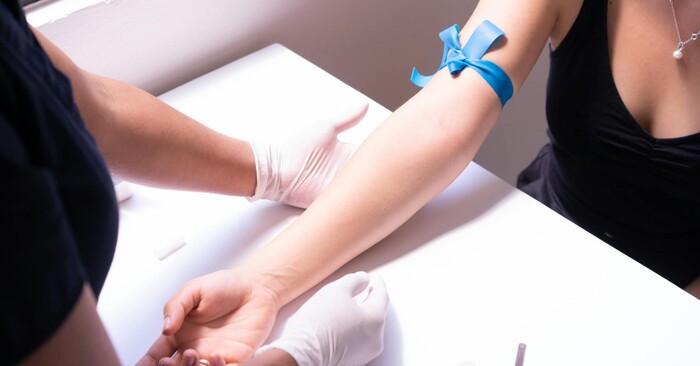
Phlebotomists are critical to the functioning of hospitals, diagnostic labs, and outpatient clinics. They are responsible for drawing blood samples that are used in nearly every type of medical evaluation and treatment plan. With short certification timelines, strong job demand, and access to a wide range of healthcare settings, phlebotomy courses in New York are a smart entry point to this field.
The Increasing Demand for Phlebotomists in New York
New York’s healthcare system is among the busiest in the nation. From large urban hospitals to community clinics, the demand for qualified phlebotomists has grown steadily over the years. This surge is tied to several factors: an aging population requiring more frequent medical testing, a rise in chronic illnesses such as diabetes and heart disease, and an overall increase in healthcare access and utilization.
As a result, healthcare providers are constantly on the lookout for well-trained professionals who can efficiently and compassionately draw blood from patients. According to the Bureau of Labor Statistics, employment for phlebotomists is projected to grow much faster than the average for all occupations. In metropolitan areas like New York City, where patient volumes are high, job openings are both plentiful and stable.
Fast-Track Certification: A Practical Route to Employment
One of the most appealing aspects of pursuing a phlebotomy career is how quickly you can get started. Unlike many other healthcare professions that require years of education and costly tuition, phlebotomy certification programs are typically short, affordable, and focused.
At institutions like WSMDA (Westchester School for Medical and Dental Assistants), students can complete a comprehensive phlebotomy course in a matter of weeks or a few months. These programs cover essential topics such as anatomy, infection control, blood collection techniques, safety protocols, and patient communication. Upon completion, graduates are prepared to take national certification exams and begin working almost immediately.
For those looking to switch careers, enter the healthcare field, or improve their job prospects quickly, this short path to a secure profession is a major advantage.
A Wide Variety of Work Settings
Phlebotomists are not confined to hospitals alone. In New York, job opportunities span across a broad spectrum of healthcare environments:
- Hospitals: Large healthcare facilities require phlebotomists around the clock for inpatient and emergency services.
- Outpatient Clinics: These centers see high volumes of patients and rely heavily on lab testing.
- Diagnostic Laboratories: Many phlebotomists work in labs like Labcorp or Quest Diagnostics, which process thousands of samples daily.
- Blood Donation Centers: Organizations like the New York Blood Center need phlebotomists to assist in blood drives and donor care.
- Mobile Units: Some phlebotomists work in mobile labs that travel to nursing homes, businesses, or remote areas.
- Research Institutions: Academic and pharmaceutical organizations hire phlebotomists to collect samples for clinical trials and studies.
This diversity of workplaces allows professionals to choose an environment that best suits their lifestyles and interests. Whether you prefer a fast-paced hospital setting or a more routine outpatient clinic, phlebotomy offers flexibility and variety.
Phlebotomists in Healthcare
Though it may seem like a behind-the-scenes role, phlebotomy is foundational to effective patient care. The accuracy and quality of blood samples impact everything from a patient’s diagnosis to treatment decisions. A skilled phlebotomist ensures that samples are collected with minimal discomfort, labeled properly, and transported according to strict guidelines—preventing errors that could lead to misdiagnosis or delayed treatment.
Phlebotomists also have a frontline role in calming patient fears. Many individuals feel anxious about having blood drawn, and a phlebotomist’s ability to provide reassurance and professionalism helps ensure a better overall experience for the patient. Good communication skills, attention to detail, and a steady hand are essential traits for success in this role.
In essence, phlebotomists act as the link between patients and the diagnostic data that doctors rely on. Without their work, the healthcare system would be missing a critical component of diagnosis and monitoring.
Salary Expectations and Career Growth Potential
Some phlebotomists choose to advance their careers by becoming lead technicians or supervisors. Others pursue further education to transition into nursing, laboratory technology, or other allied health professions. The skills learned in phlebotomy—such as patient care, lab safety, and medical documentation—provide a solid foundation for many other healthcare careers.
For many, phlebotomy serves as a long-term profession. For others, it is a stepping stone to higher roles in healthcare. In either case, the field offers a stable income and the chance to make a meaningful impact on patients’ lives.
Why Phlebotomy Is a Great Career Choice in New York
There are many reasons why someone might consider phlebotomy in New York:
- Accessibility: Short, affordable training makes it easier to start.
- Stability: The ongoing demand for blood tests ensures job security.
- Flexibility: Multiple settings and schedules to choose from.
- Meaningful Work: Direct contribution to patient care and health outcomes.
- Room to Grow: Clear pathways for advancement or specialization.
Whether you’re a recent high school graduate, a working adult looking to switch careers, or someone interested in entering the healthcare industry with limited time and resources, phlebotomy can be a smart, realistic choice.
Contact WSMDA to Learn About Our Phlebotomy Course in New York
If you’re considering a healthcare career, becoming a certified phlebotomist is a smart and accessible option. The Westchester School for Medical and Dental Assistants has phlebotomy courses in New York designed to prepare you for employment in the field. With hands-on training and experienced instructors, you’ll gain the skills and confidence needed to succeed. Contact WSMDA today to learn more and take the first step toward your future in healthcare.
