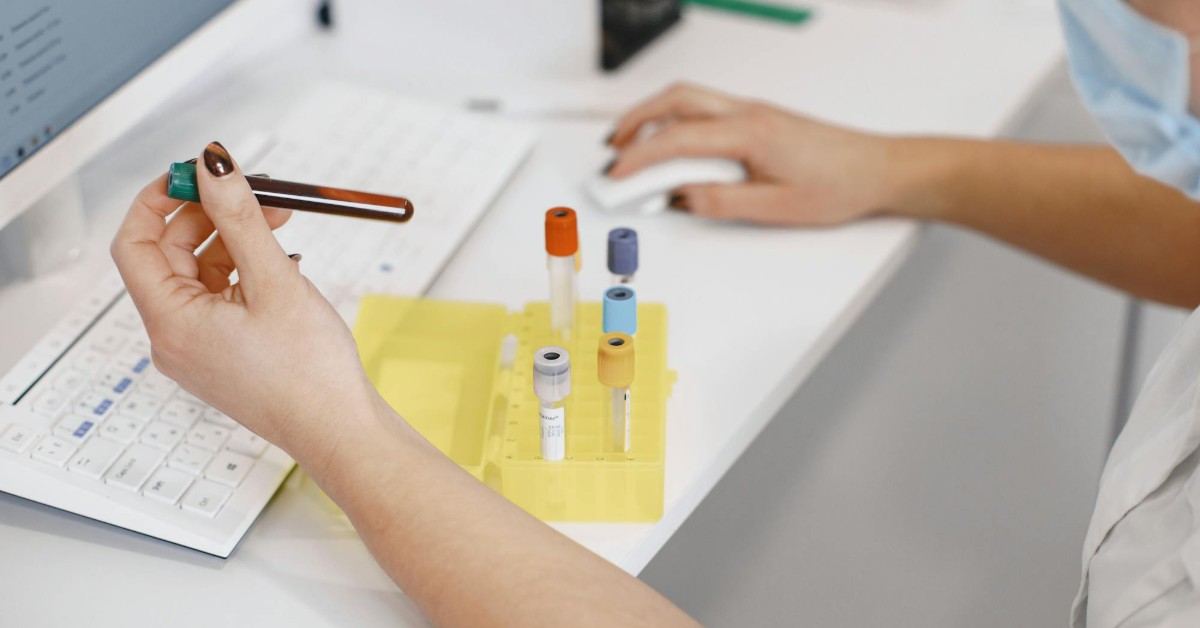
Blood Collection Techniques Taught in Phlebotomy Training
Mastering the art of blood collection is the cornerstone of a successful career in healthcare. At Westchester School for Medical and Dental Assistants (WSMDA), our phlebotomy training in NY focuses on precision, safety, and patient comfort. Understanding the various techniques used to draw blood ensures that laboratory results are accurate and patient experiences are positive.
Prioritizing Patient Identification and Site Selection
Before a needle ever touches a patient, a phlebotomist must master the foundational steps of the procedure. Accuracy begins with positive patient identification. Students in our phlebotomy course in New York learn to verify patient details using at least two unique identifiers. This protocol prevents life-threatening diagnostic errors.
Selecting the right site is equally critical. While the antecubital fossa (the bend of the elbow) is the standard choice, a skilled technician must evaluate the vein’s depth, direction, and size. We teach students how to palpate veins effectively to avoid nerves and arteries, ensuring a successful draw on the first attempt.
Essential Venipuncture Techniques
Venipuncture is the most common method for collecting large blood volumes. Our curriculum emphasizes the “order of draw,” a specific sequence for filling collection tubes to prevent cross-contamination of additives.
Students practice anchored needle insertion at the correct angle, typically 15 to 30 degrees. This precision minimizes transfixing the vein (going through both sides) and reduces the risk of hematomas. Mastering these manual skills allows graduates to handle diverse patient populations, from those with rolling veins to geriatric patients with fragile vasculature.
Capillary Puncture for Specialized Testing
Not every diagnostic test requires a full vial of blood. Capillary punctures, or skin punctures, are vital for pediatric patients, point-of-care testing, and patients with severely compromised veins.
Our training covers:
- Fingerstick procedures for adults and older children.
- Heel sticks for infants, focusing on the lateral plantar surface to avoid bone injury.
- Proper “milking” techniques to encourage blood flow without causing hemolysis (rupturing red blood cells).
- Managing the first drop of blood, which is typically discarded to avoid tissue fluid contamination.
Safety, Handling, and Sample Integrity
A successful draw is only half the battle. Maintaining the integrity of the specimen is what makes a phlebotomist a true professional. At WSMDA, we emphasize the pre-analytical phase of testing. This includes immediate and accurate labeling at the patient’s bedside.
Safe handling protocols are strictly enforced to prevent needle-stick injuries and exposure to bloodborne pathogens. Students learn the physics of blood transport, understanding which samples need to be chilled, kept at body temperature, or protected from light. These steps ensure the laboratory receives a viable sample, reducing the need for stressful re-draws.
Enhancing Patient Comfort and Reducing Errors
Technical skill must be paired with a calm bedside manner. We teach students how to communicate clearly with nervous patients to lower their anxiety, which can actually make veins easier to access. By combining sharp technical execution with empathetic care, our students learn to minimize physical discomfort. Reducing sampling errors through these refined techniques saves time, reduces healthcare costs, and improves patient outcomes.
Contact Us Today for Phlebotomy Training in NY
Are you ready to start a rewarding career in the medical field? Westchester School for Medical and Dental Assistants provides hands-on instruction and the clinical expertise you need to succeed. Our comprehensive phlebotomy course in New York prepares you for national certification and immediate employment.
Contact us today to learn more about our upcoming classes and enrollment options. Start your journey toward becoming a certified phlebotomy technician today.
