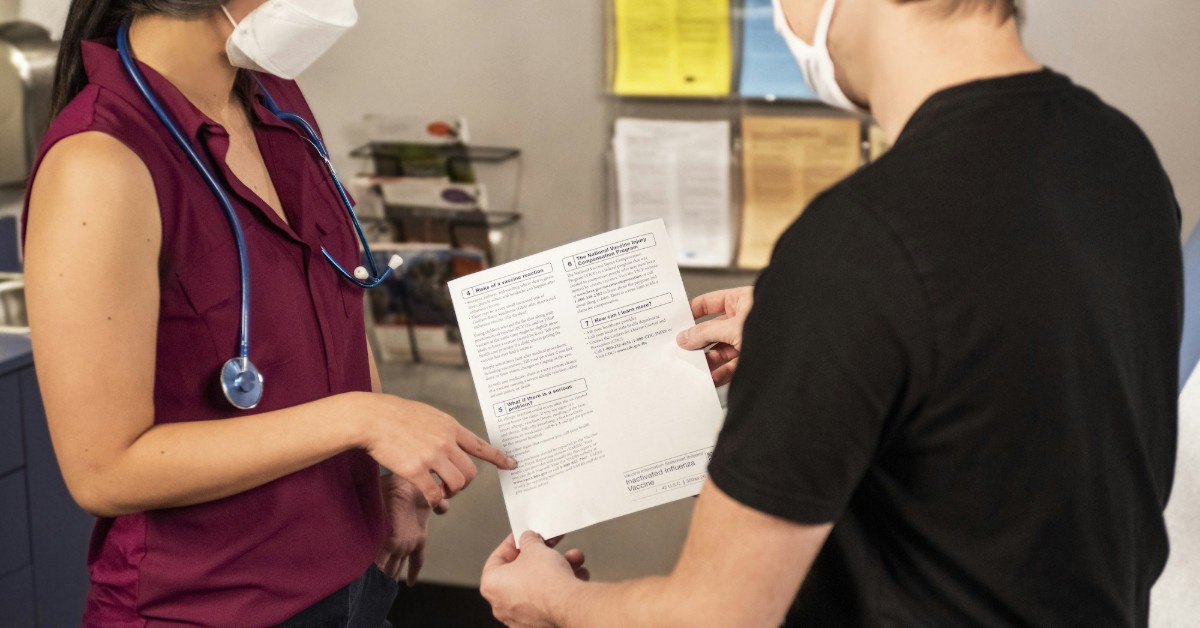
Ethics in Medical Assisting: Why It Matters
Discussions of medical assistant programs in NY typically revolve around the practical aspect of medical care: anatomy, diagnostics, terminology, and so forth. However, there’s another core concept which deserves at least as much attention: ethics.
All medical professionals, assistants included, are expected to uphold a high degree of professional ethics at all times. This includes any time you’re interacting with a patient or other professionals, but can also cover off-duty time as well. You will be privy to numerous bits of private information about your patients, and you must also ensure your actions are always in the best interests of their health.
This is a heavy burden to shoulder, but one which is absolutely necessary. In this article, we’ll look at why ethics are so important in medicine, as well as covering the ethical standards you’ll be asked to uphold as a medical assistant.
1. Why Are Ethics in Medicine So Important?
There are several major reasons why all medical institutions put such a high priority on ethics.
1 – Promoting honesty, integrity, and professionalism in healthcare
Few professions carry as much responsibility as the healthcare industry. People’s lives are on the line every day, and the behavior of medical professionals will have a huge impact on their chances of survival. Medical professionals must be able to fully trust each other and work together effectively, even during high-stress situations.
When everyone involved maintains high ethical standards, this goal becomes far easier to achieve.
2 – Guiding decision-making in clinical scenarios
Medical decisions must be based on fact and truth. Any distortion of reality could potentially lead to misdiagnoses, incorrect treatments, and poor patient outcomes. It’s the duty of every medical professional to enter into any decision-making situation with honest intentions and clear disclosure of relevant information to ensure the best possible decisions. To do less would endanger your patients.
3 – Building patient trust while strengthening healthcare relationships
Just as medical professionals must trust each other, patients also need to trust their doctors for the best outcomes. Patients who don’t trust their healthcare providers may withhold vital information or distort the facts of their situation. The more trusting a patient is, the more likely they are to be fully honest; the more honest they are, the better their chances are of a successful outcome.
By upholding strict ethical standards, you help strengthen these relationships and build that crucial level of trust.
4 – Upholding patient confidentiality
Patient trust goes beyond your face-to-face interactions. As a medical assistant in NY, you’ll be exposed to deeply personal information about your patients, which must never be shared outside of relevant medical settings. This is both an ethical and a legal mandate. Sharing private patient medical information could lead to legal action against you and/or loss of your certifications, along with severely damaging trust between the patient and their healthcare providers.
5 – Ensuring facility compliance with legal standards
Numerous state and Federal laws, such as the Health Insurance Portability and Accountability Act (HIPAA), regulate how medical facilities treat their patients and maintain patient privacy. Breaches of ethics could lead to severe penalties for a healthcare facility, along with the individuals responsible.
By upholding high ethical standards, you protect everyone involved: the patient, your employers, and yourself.
2. What Are the Ethical Standards for Medical Assistants?
Ethical standards for medical assistants are set and overseen by multiple agencies. The most important of these are the American Association of Medical Assistants (AAMA) and the National Center for Competency Testing (NCCT). Both agree on the basics of ethics for medical assistants.
The specific wording may vary from body to body, but in general, the code of ethics requires medical assistants to:
- Provide medical service with respect and dignity.
- Keep their skills up-to-date by engaging in continuing education relevant to their fields.
- Solve problems within their capabilities but also have the wisdom to know when to seek assistance with problems beyond their skills.
- Adhere to all safety policies within their workplace.
- Be fully honest while performing their job and in all their interactions with other medical professionals.
- Own up to mistakes promptly and work to correct them.
- Accept discipline for mistakes as appropriate.
- Obey all relevant laws and regulations in the name of protecting the public.
- Protect patient confidentiality and protect all private information.
3. What Are Common Ethical Dilemmas Which Medical Assistants Face?
As a medical assistant, you need to know your abilities, but also your limitations, both in terms of your own skills as well as your legal limitations. These are a few common ethical scenarios you should watch out for.
- Knowing your scope of practice: You must always only perform duties that you are fully trained and legally qualified to handle. If a patient or a superior asks you to do something for which you aren’t qualified, you should politely decline and, if possible, refer it to an appropriate party.
- Limiting medical advice to patients: As a medical assistant, you can only communicate medical advice that has been provided by a doctor. You cannot offer extra advice on your own while on duty.
- Protecting patient confidentiality: As a general rule, you simply should not discuss the specifics of any patient or treatment. Even attempts to anonymize the patient might accidentally include key details that reveal their identity. You’re truly better safe than sorry, even if you’ve got a great story you want to tell.
- Maintaining professional boundaries: Your interactions with patients should be friendly, but you are not friends. You should always maintain a line between your professional interactions and any interactions of a more personal nature. Otherwise, you could risk misunderstandings that damage trust, accusations of favoritism, or other ethical missteps.
The Westchester School of Medical and Dental Assistants Prepares You For Success
WSMDA, a top medical assistant school in New York, is staffed by experienced healthcare professionals who teach the theoretical material, but also understand the practical day-to-day ethical issues a medical assistant will face. In as little as nine months, you could graduate fully prepared for a new career in healthcare!
