Why is Infection Control so Important in Phlebotomy?
If you’re looking for a relatively easy way to enter the medical field and you’re comfortable working with blood, becoming a phlebotomist could be an excellent option! Phlebotomy certification is one of the easier certifications to obtain, and good phlebotomists are always in demand here in New York. Going through phlebotomy training in NY could start your new career in a matter of months!
In this article, we’ll talk about the basics of phlebotomy as well as why infection control is so important to the practice. Keep these foundations in mind, and you’ll have a good start on your education.
1. What is Phlebotomy?
In short, phlebotomy is blood work. Specifically, it means taking blood samples from patients and properly handling the samples afterward to prevent contamination. These samples are typically used for analysis or diagnosis, although they may also be part of a blood transfusion procedure.
Samples are generally obtained from a patient’s vein, usually in their arm, a process called venipuncture. In rare cases, other major veins such as those in the leg may be used. Most often, this simply involves inserting a syringe into the vein and drawing blood directly.
Most importantly, a phlebotomist must be fully comfortable working with blood. In addition, a phlebotomist should have good communication skills to help calm patients who may be scared of needles or uncomfortable seeing their own blood.
2. Why is Infection Control a Priority in Phlebotomy?
Human blood is highly susceptible to carrying diseases, and any given patient could potentially have a bloodborne illness, possibly even a disease they do not know about. Additionally, because blood samples usually require inserting a needle directly into the patient’s vein, there’s the possibility of transferring diseases into the patient.
Therefore, a phlebotomist must always be aware of the risks involved with blood work and take care to protect themselves, the patient, and the rest of the staff from any potential disease exposure.
In addition, proper disease control is a core aspect of healthcare compliance standards. A phlebotomist who accidentally allowed someone to become infected wouldn’t merely be risking their own career – they could put their workplace at risk of legal or regulatory action as well.
3. What Are the Most Important Infection Control Practices in Phlebotomy?
As long as you are careful and diligent, infection control is relatively easy. It’s based on a few key practices:
-
Hand Hygiene
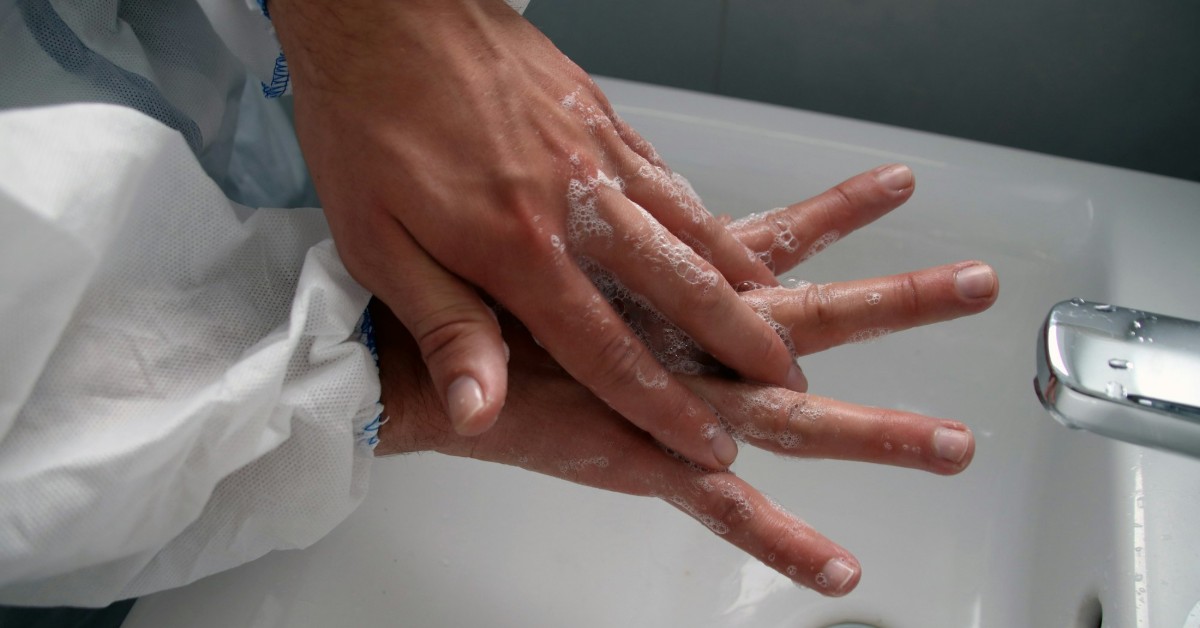
Infection control starts with you. As a phlebotomist, your own hands would be the most common vector for disease transmission. It’s vital to always keep them as clean and sterile as possible.
This means washing hands before and after each patient encounter, whenever possible. If this cannot be achieved – such as during especially busy shifts – then use of hand sanitizer can also be acceptable.
It doesn’t matter that you’ll be wearing gloves most of the time. Constant hand-washing or sanitizing is a must.
-
PPE
Personal Protective Equipment is another core aspect of disease control. For a phlebotomist, this mostly means wearing sterile gloves and replacing them after each patient. Never reuse gloves, even after the most minor of patient contacts. Remember, you’re protecting yourself as well as them.
Ideally, you should wait to put on your gloves in front of the patient. This brings them peace of mind by demonstrating your safety procedures.
In many cases, other forms of PPE, such as gowns or masks, are not required for basic phlebotomy work. However, standards may vary between institutions. Also, there’s rarely such a thing as “too much” infection control.
-
Sterile Equipment
In phlebotomy, the equipment used is almost always single use, such as needles and vacutainer tubes for storing the blood samples. These are typically shipped in packaging designed to keep them sterile until they are ready for use.
Do not open this packaging until you are immediately ready to begin the procedure. As soon as the packages are opened and the equipment is exposed to air, there is the possibility of contamination. So, minimize that risk.
If any other equipment is used, such as tourniquets to increase the vein’s accessibility, these must be sterilized after each use.
-
Disposing of Contaminated Materials
Finally, all disposable materials used by the phlebotomist, such as gauze or vacutainer packaging, must be properly disposed of.
In particular, gauze or anything else that has been touched by blood or other bodily fluids must be put into a biohazard container. The used needles need to be disposed of in an approved biowaste sharps container. Never leave a used needle out and exposed for any longer than is absolutely necessary.
As long as you keep these core principles in mind, you should be able to successfully manage infection control in your career as a phlebotomist.
4. What’s Involved in a Phlebotomy Course in New York?
Phlebotomy training in NY is one of the easier forms of medical training to undertake. Courses can be completed in just a few weeks if you’re attending daily classes, or in a few months if you choose weekend/evening classes.
During training, you’ll receive:
- Instruction from licensed expert staff with real-world experience.
- Hours in the classroom studying the basics of anatomy and physiology.
- Hands-on training in venipuncture and proper blood collection.
- Instruction on communication skills and patient interaction.
- Examination preparation.
In addition, the best phlebotomy schools provide robust career support. They have connections within the industry, and they can help you search for your first employer after you graduate. Choose the right school, and you could have a great new job in just a few months.
Choose Westchester School for Medical and Dental Assistants
WSMDA is a highly respected, fully accredited medical training school in Ardsley, NY. Our goal is to see you succeed! You can become a licensed phlebotomist in a matter of months, and we place more than 88% of our graduates within 30 days of completing the course. Financial aid is also available!
If you have any questions, please feel free to contact us.
